What GCSEs Do You Need To Be an Engineer?

What GCSEs do you need to be an engineer? To become an engineer, you will usually need a minimum of 4 or 5 GCSEs, including Maths and English, at grade 4/C or above. Maths is particularly important, and many engineering routes also require Science, especially Physics, or Combined Science. Requirements can vary depending on the type of engineering and the course or employer. At Pass GCSE, we can help you gain or improve the GCSE or equivalent qualifications you need to progress into engineering.

GCSE Requirements

Engineering Routes

Book GCSE Exam

Contact Us

What GCSEs do you need to be an engineer?

To meet the GCSE requirements for engineering, you will usually need GCSEs at grade 4/C or above in Maths and English. Maths is particularly important for engineering courses, and many universities, colleges and apprenticeship providers also require Science, especially Physics, or Combined Science. Some routes may ask for a minimum of 4 or 5 GCSEs at grade 4/C or higher overall.

Entry requirements can vary depending on the type of engineering and the course or apprenticeship, so it is important to check the specific criteria set by your chosen provider.

If you are concerned about not having the required GCSEs for engineering, you can fill out the contact form at the bottom of the page and our friendly team will be happy to offer advice and guidance on your available options.

Get Your GCSEs for Engineering

Can I become an engineer without GCSEs?

In some cases, yes, depending on the route you choose. Most engineering courses and apprenticeships require GCSEs in Maths and English, and many also ask for Science, particularly Physics. However, some employers and training providers accept alternative qualifications.

A Functional Skills Level 2 qualification in Maths and English is often accepted as an equivalent to a GCSE grade 4/C for engineering apprenticeships or entry-level roles. Requirements vary between courses and employers, so it is important to check the specific entry criteria for your chosen engineering route.

Feature GCSE Functional Skills
Accepted UK Wide Accepted UK Wide
Ofqual Regulated Ofqual Regulated
Suitable For Engineering Suitable For Engineering
Can Sit in May or November Can Sit in May or November
Can Sit All Year Round Can Sit All Year Round
Can Take Exam From Home Can Take Exam From Home
Results in 10 Working Days Results in 10 Working Days

Why do you need GCSEs to become an engineer?

GCSEs are a key entry requirement for engineering courses and apprenticeships, particularly in Maths and English, as they demonstrate essential numeracy, problem-solving and communication skills needed in engineering roles.

While GCSE requirements can vary depending on the type of engineering, most courses and employers require at least a grade 4/C or above in Maths and English. Many also ask for Science, especially Physics, or Combined Science, as these subjects provide the foundations for understanding engineering principles.

In addition to Maths, English and Science GCSEs, you may choose to take other subjects that interest you. Subjects such as Design and Technology, Computing or further Maths can be particularly beneficial, as they help develop technical thinking and practical skills that are useful when studying engineering or completing workplace training.

Get Your GCSEs for Engineering

What engineering routes can I take with GCSEs?

If you achieve your GCSEs in Maths, English and Science, there are several engineering routes you can take. Many learners progress onto A levels, BTECs or T Levels in engineering, science or technology subjects, which can then lead to an engineering degree at university.

Alternatively, you may choose to go straight into an engineering apprenticeship, which allows you to earn while you learn and gain practical experience alongside a recognised qualification.

Some engineering careers that people progress into after completing their GCSEs include:

How do I book my GCSE exams?

Book your Ofqual-regulated GCSE exam for engineering with Pass GCSE. You can either book directly through our online booking pages or fill out the contact form at the bottom of the page, and we’ll guide you through the process and complete your booking during the call.

Choose your preferred exam date, exam board, and tier. For Maths and English GCSEs, exams are available in May or November. GCSE Science exams are scheduled for May/June each year. Our fees cover everything, including the exam booking, locating a nearby exam centre, and issuing your certificate.

Prepare for your exams with our dedicated online courses, which provide everything you need to succeed. These courses include revision tutorials, practice questions, mock exams, and progress tracking, giving you the best chance of passing your exams.

Get Your GCSEs for Engineering

Speak to Our Experts

☎️
Speak to our team to find out more about our services, or get booked in for your GCSE exam.

Call us on
020 3633 2975

GCSE Engineering Support

💻
We will help you choose the right qualification for you, from GCSE exams to Functional Skills.

Call us on
020 3633 2975

GCSEs to be an Engineer Summary

What are GCSEs?

GCSEs are UK qualifications in individual subjects, usually taken by students aged 14–16. However, many adults choose to resit their GCSEs to meet the entry requirements for engineering courses and improve their career opportunities.

What GCSEs do I need to be an engineer?

To pursue a career in engineering, you will usually need GCSEs in Maths and English as a minimum. Many courses and apprenticeships also require Science, particularly Physics, or Combined Science. It is important to check the specific GCSE requirements with your chosen university, college or training provider.

Can I become an engineer without GCSEs?

In some cases, yes. You may be able to take an alternative qualification, such as a Functional Skills Level 2 qualification in Maths and English, which is often accepted as equivalent to a GCSE grade 4/C for some engineering apprenticeships or entry-level roles.

However, requirements vary depending on the employer or course, and many engineering routes still prefer or require GCSEs, particularly in Maths and Science.

Why should I take GCSEs for engineering?

Passing your GCSEs in Maths and English shows that you have the essential numeracy, problem-solving and communication skills needed for engineering. For this reason, most engineering courses and apprenticeships require GCSE passes in these subjects as a minimum.

What engineering routes can I take with GCSEs?

After completing your A levels, T Levels or a BTEC, you can progress to an engineering degree at university. Alternatively, you may choose to start an engineering apprenticeship, which allows you to gain practical experience while working towards a recognised qualification.

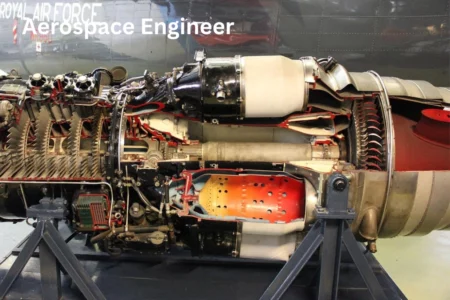
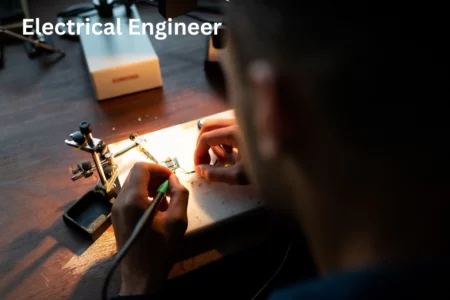
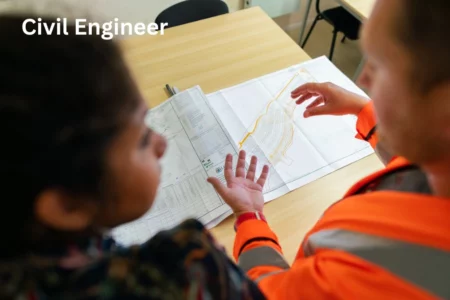
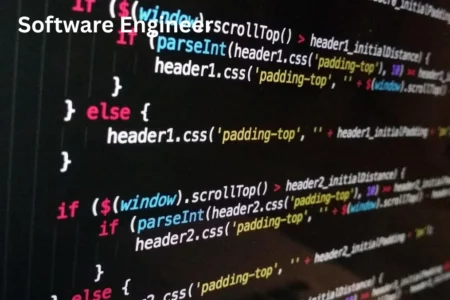
Career options include roles such as mechanical engineer, electrical engineer, civil engineer, software engineer, or manufacturing engineer.

How do I book my GCSE exam?

Book in online through Pass GCSEs GCSE exam booking pages, or fill in the contact form at the bottom of the page and one of our specialist GCSE team will be in touch to discuss you options and get you booked in.

Why Choose Pass GCSE?

SVG

Friendly Support

We offer all the support you need to get ready for your GCSE exams. Our team will help you choose the best options and handle all the arrangements well ahead of exam day.

SVG

Subject Coverage

In addition to Maths, English, and Science, we offer GCSE exams in a variety of subjects, including Business, History, Sociology, and many more.

SVG

Accepted Everywhere

The GCSE exams you take with Pass GCSE are accepted by all major employers, universities, and apprenticeship providers across the UK.

SVG

Lowest Cost Exam

We guarantee the lowest prices online and won’t be beaten on value for the high-quality service we deliver!

SVG

No Hidden Fees

Our pricing is very straightforward. The fee that you pay covers all of the exam centre and exam board fees.

SVG

Unbeatable Service

If you’re preparing for your GCSE exams to start a career in engineering, we’re confident you won’t find a better online service to support your journey.

Get in Touch

Get in touch with one of our friendly team and they will discuss your options and help you to determine what qualifications and subjects are right for you.

  • Call 020 3633 2975
  • Or fill in the contact form

Get in touch